San Pedro cactus (Echinopsis pachanoi, sometimes listed as Trichocereus pachanoi) is a fast-growing, columnar cactus valued for its architectural form and adaptability. With proper care, it performs well in containers, landscapes, and ornamental cactus collections. Often, San Pedro and related Trichocereus specimens are started from cuttings and many times shipped without roots. Proper rooting practices are essential for long-term plant health and successful establishment. Before placing in rooting conditions, ensure the cut end of the cactus is fully calloused. This dry, hardened surface helps prevent rot and may take anywhere from several days to a few weeks to form, depending on cutting size and environmental conditions. Cuttings should be kept in a dry, shaded, and well-ventilated area while callousing. Once calloused, place the cutting upright in a dry, fast-draining substrate. The cutting should be buried deep enough to support itself. Do not water immediately after planting. Wait until early signs of root formation or growth are observed before introducing light watering. During the rooting phase, keep cuttings in bright, indirect light with warm temperatures and good airflow. Excess moisture during this stage is the most common cause of failure, so patience and restraint with watering are key. San Pedro thrives in bright light and warm conditions. Outdoors, it prefers full sun (6+ hours of direct light) once acclimated, though light afternoon shade can help prevent stress in extremely hot climates. Indoors, place plants near a very bright window or supplement with strong grow lighting. It is important that cacti receive a period of darkness each day, so limit artificial light to a maximum of 16 hours. Good airflow supports healthy growth and reduces moisture-related issues. Fast drainage is essential for San Pedro. Use an airy, mineral-dominant substrate made from pumice, lava rock, perlite, and/or coarse sand combined with soil or coco coir. Biochar is also a beneficial addition and can count toward the drainage portion of a soil formula. Avoid heavy soils that retain excessive moisture. Every growing environment is different, so the ratio of drainage material to water-retentive components depends on temperature, rainfall, and humidity. Typical mixes range from 50–75% inorganic material, though workable formulas may reasonably range from 40% up to fully mineral substrates. Always use containers with drainage holes. Breathable containers such as terra cotta or fabric pots help regulate moisture around the root zone. Water using a soak-and-dry method during the active growing season. Thoroughly saturate the soil, allow excess water to drain, then wait until the substrate is completely dry before watering again. While San Pedro tolerates regular watering during warm weather, persistently wet soil increases the risk of root rot. Reduce watering significantly during cooler months. In winter, watering is typically unnecessary, and plants should never be allowed to sit in standing water. Frequent, light feedings of liquid fertilizer during the growing season support steady growth. Use a balanced NPK fertilizer at reduced strength (¼–½ rate). Organic soil amendments are another option. Apply fertilizer only during active growth and discontinue feeding during winter. San Pedro can tolerate brief temperature drops when kept dry, but prolonged freezing can cause damage. In colder regions, move container-grown plants indoors or into a protected area before extended frost events. During overwintering, keep plants in a bright, cool location and reduce watering to a bare minimum. Dry soil, good airflow, and stable temperatures help prevent rot and support healthy growth when spring returns. Bright light, excellent drainage, thoughtful watering, and seasonal care are the foundations of successful San Pedro cultivation. When these needs are met, San Pedro cactus is a resilient, low-maintenance, and visually striking plant well suited for ornamental and collector use.How to Grow San Pedro (Trichocereus pachanoi) and Related Trichocereus Species
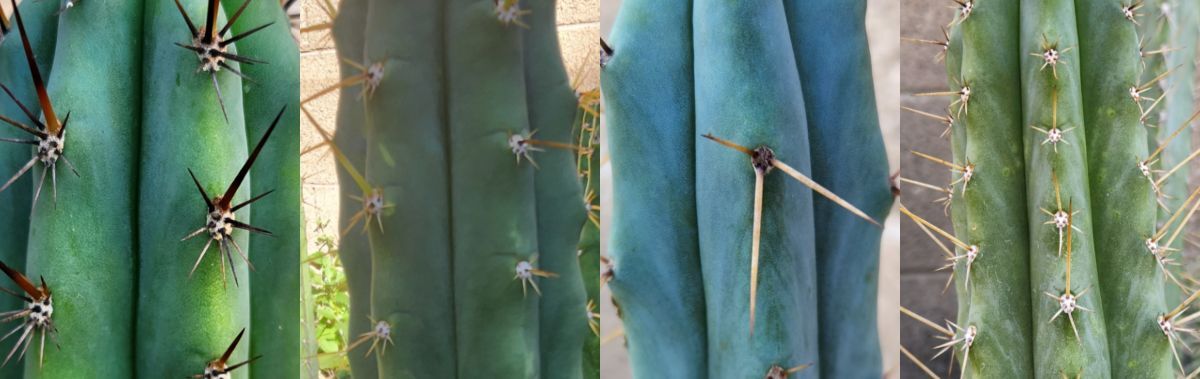
How to Root San Pedro Cuttings
Growing Environment
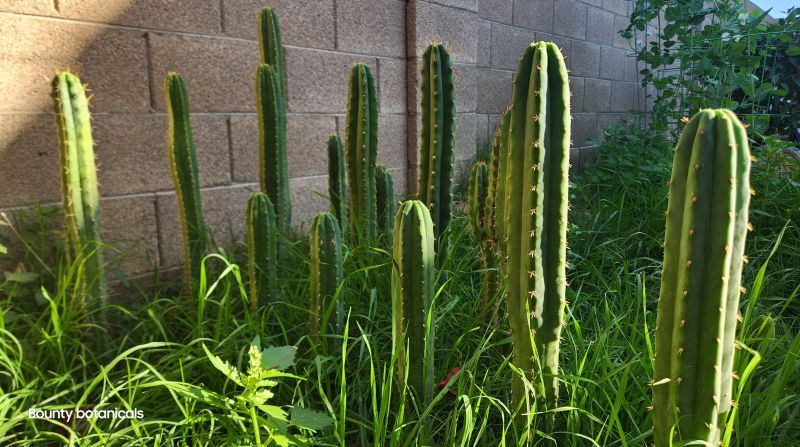
Soil & Drainage
Watering
Fertilization
Overwintering & Cold Care
Summary
